
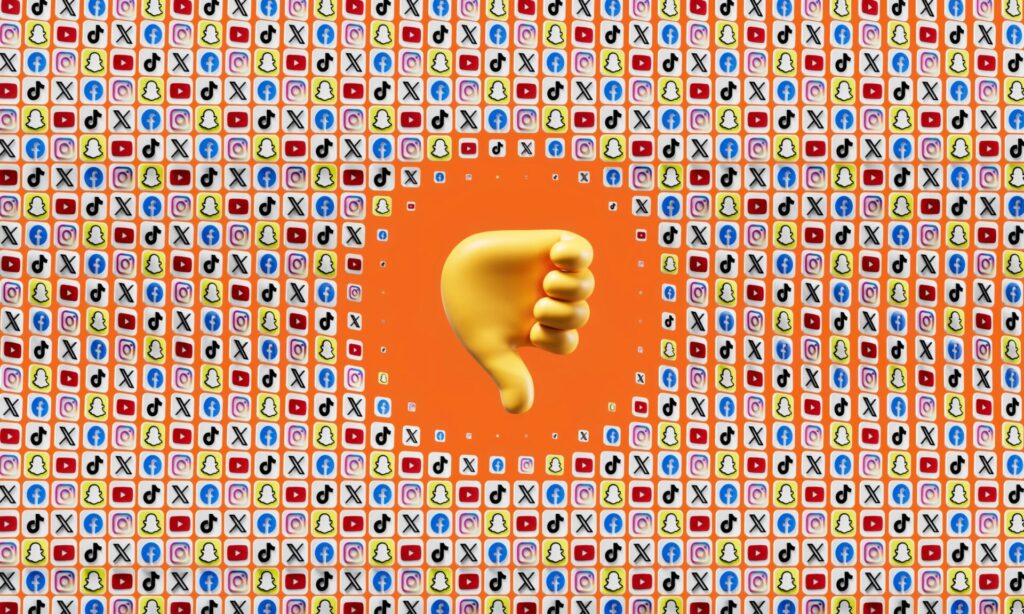
In a perfect world, kindness would win the feed. It does not. Outrage does.
The angry posts, the pile-ons and the misinformation keep beating the feel-good stories. Why is that? Why do people seem more drawn to negativity than to positivity online?
Blame three things: how our brains work, how the algorithms rank, and who gets paid.
The power of emotion
Start with the brain. A study of more than 560,000 tweets about polarising issues found each extra moral-emotional word lifted retweets by about 20%. Outrage provokes a sense of urgency. We feel compelled to respond, share, or engage when we see something infuriating. That is why anger travels so well.
Positivity, on the other hand, often feels less urgent. A heartwarming story may make us smile, but it doesn’t necessarily demand immediate action. A controversial tweet (yes, it’s still a tweet), however, compels us to react, often with frustration or indignation. The result? As one study of China’s Weibo put it, anger is more influential than joy.
Algorithms reward controversy
Social media platforms are not neutral spaces; they are built to maximise engagement. Their algorithms prioritise content that generates interactions because more engagement means more time spent on the platform, and more time on the platform means more ad revenue.
Feeds ranked on engagement push whatever people react to, and people react to hostility. An analysis of more than 2.7 million Facebook and Twitter posts from US news outlets and members of Congress found each word about the political other side raised the odds of a share by 67%, and “angry” was the most used reaction. That is the feedback loop: outrage earns engagement, engagement earns reach, and reach rewards more outrage.
Financial incentives and the rise of engagement farming
Then there is the money. Some platforms pay for engagement, whatever caused it. Twitter’s creator revenue sharing paid people based on impressions from verified Premium users, so posts built to provoke replies paid well. In September 2026 Twitter retired it for an Original Content Rewards program that still pays on Premium impressions but excludes copied and recycled posts. Whether that cools the outrage down is yet to be seen.
Instead of encouraging thoughtful discussion, these incentives push users toward provocative content designed to enrage, divide, and farm engagement. Influencers and media personalities capitalise on this by crafting posts that stir conflict, knowing that increased engagement translates to higher payouts. As a result, misinformation, exaggerated claims, and inflammatory rhetoric are rewarded, further entrenching the outrage culture.
Pay people for reactions and you get more of whatever gets a reaction. Good content has to work harder to be seen.
Outrage fatigue and the cost of constant anger
While outrage can be addictive, it is also exhausting.
Platforms have flirted with turning the dial down. Meta spent years reducing political content in feeds, then said in January 2025 it would start phasing it back into Facebook, Instagram and Threads for people who want more of it. Until the incentives change, outrage stays the loudest currency online.
Can positivity compete?
Despite the dominance of outrage, positivity isn’t entirely powerless. Viral stories of kindness, humour, and resilience occasionally break through the negativity, proving that people crave uplifting content. If platforms were to tweak their algorithms to reward constructive conversations rather than divisive ones, social media might become a more positive space.
For now, outrage still wins the feed. It is up to each brand to decide how much of the cycle it joins, or whether it earns attention another way.
What this means for WA tourism and hospitality brands
Outrage can win a news cycle. It cannot sell a weekend in Margaret River.
Tourism and hospitality brands sell a feeling people want to have: rest, awe, a long lunch, a sunset worth the drive. Anger is the opposite of that. A brand that picks fights for reach might get the numbers, but the people it reaches are not in the mood to book.
WA already has proof that joy travels. When Roger Federer was in Perth for the Hopman Cup, he took a selfie with a quokka on Rottnest Island, and the world could not get enough of it. No pile-on required.
So play the long game:
- Make people feel something good and specific: the first swim of the season, the chef’s new dish, the view from the balcony at 6am.
- Answer criticism calmly and in public. How you respond is content too.
- Join a trending conversation only when you have something useful to add.
- Measure saves, shares, enquiries and bookings, not just reach.
Outrage is loud, but it does not book beds. Get Coffey Talk for practical ways to earn attention the honest way.
From our work · Amani Bar & Kitchen1,416%growth in Facebook page likes