

The question is not whether to do influencer marketing. The question is who to work with, at what tier, and for what objective.
Getting those three things wrong is how brands waste budget and wonder why it did not work.
tldr; everything you need to know
The four tiers, defined
Not all creator partnerships are the same. Know what you are actually buying in each tier before you spend a cent.
Brand advocates
Customers who promote you unprompted because they genuinely love what you do. No fee. No brief. No transaction. The most credible form of endorsement that exists, precisely because the audience knows it is not paid. You cannot buy advocates. You earn them by building a product or experience worth talking about.
Micro-influencers
Creators with between 10,000 and 100,000 followers, typically in a defined niche. Paid or gifted. Smaller creators earn higher engagement rates than big names: in HypeAuditor’s 2025 report, Instagram nano creators (1,000 to 10,000 followers) led every tier at 2.19%. Cheaper, closer to your audience, and more open to the long-term relationship where the value is. In Influencer Marketing Hub’s 2026 benchmark survey, more than half of marketers (52.83%) said they plan to increase their use of micro creators or start working with them. Brands have done the maths.
Mid-tier and macro creators
Creators with 100,000 to 1 million followers. Meaningful reach for awareness campaigns and brand launches. Higher cost per post, but useful for reach spikes at key moments like a new venue opening, a season launch, or a campaign flight. Best used selectively, not as the foundation of a year-round program.
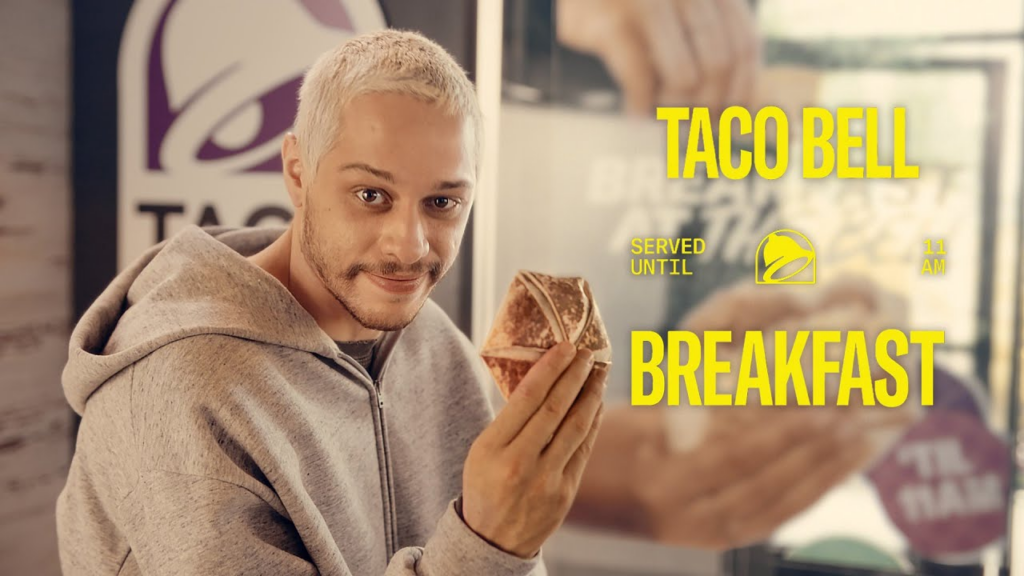
Paid talent and celebrities
Significant reach. Significant cost. Fees climb steeply with fame. Effective for awareness at scale, but audiences spot a paid name quickly and trust takes the hit. Use them for specific objectives, not as a default.
The trust hierarchy
Trust is what turns a view into a booking, and it drops as the commercial deal becomes more visible. This ranking is our read of how it plays out, not survey data.
| Tier | Creator type | Trust level |
|---|---|---|
| 1 | Genuine brand advocate (unpaid) | Highest |
| 2 | Long-term creator partner, demonstrated alignment | Very high |
| 3 | Micro-influencer with niche authority | High |
| 4 | Macro influencer or mid-tier creator | Moderate |
| 5 | Celebrity or paid talent | Low to moderate |
This does not mean celebrities are useless. It means they serve different objectives. For mass brand awareness with the budget to match, they work. For building bookings, community trust, or content that converts over six to twelve months, look at lower tiers first.
Matching tier to objective
| Objective | Best tier |
|---|---|
| Long-term brand advocacy and community trust | Micro-influencers + advocate cultivation |
| Campaign reach spike or venue/product launch | Mid-tier or macro creator |
| Building a UGC content library | Nano and micro at volume |
| Mass brand awareness with significant budget | Paid talent or celebrity |
| Niche community influence and conversions | Micro and nano with category authority |
| B2B or industry stakeholder influence | LinkedIn creators and industry voices |
The five-question fit test
Before committing to any partnership, regardless of tier, run these questions. A no on any of them is reason to keep looking.
- Does their existing content feel like your brand, without you needing to squint?
- Does their audience match your actual customer profile, verified by demographics not assumption?
- Do they use, visit, or engage with the category of product or experience you offer?
- Would you be comfortable if their last 30 posts were permanently associated with your brand?
- Are they compliant with disclosure requirements in their current and recent content?
Budget pressure does not override fit. A misaligned partnership does not just underperform. It dilutes your brand equity and hands your commercial association to the wrong audience.
How to turn a creator into an advocate
This is the play most brands miss entirely.
Start with a paid partnership. Deliver an experience worth talking about. Brief them properly on the brand story. Offer first access to new products, menus, events or launches. Give them something their audience will love. Stay in contact when there is no campaign running.
Done well, the creator who was initially paid gradually becomes someone who mentions you when no one is watching. That is the transition, from transactional to genuine, and it is the most commercially valuable outcome a creator program can produce.
The advocate question worth asking yourself
Before you brief any creator, ask honestly: is my product or experience something a customer would talk about unprompted?
If the answer is no, influencer marketing is a sticking plaster over a product problem. Fix the experience first. The organic advocacy follows.
If the answer is yes, you have the hard part sorted. Now it is a matter of getting in front of the right people, with the right brief, at the right tier.
From our work · #FoamRoam, Foam Coffee Bar144Instagram entries in three months