

There can be only one… or can there be?
Every platform has its own crowd. Pick the right ones and new travellers find you.
It is also where travellers check you out before they book.
It’s hard to imagine a holiday without social media. From the research stage to uploading the perfect beach selfie, social media has become a crucial part of tourism.
But which social media platforms are the best for tourism businesses?
tldr; everything you need to know
Why is social media so important?
Tourism brands need social for one reason above all: research.
Have you ever been on holiday without doing some research first? We’re willing to bet that you probably haven’t. Whether you’re looking up reviews on Facebook, checking out destinations on Pinterest, or saving Reels on Instagram, research is a crucial part of tourism.
Nobody wants to spend their savings on a letdown, so they check social first. It is where people decide where to go.
If you’re a tourism brand trying to entice people to visit your destinations, you must build trust. A solid social media presence, positive reviews, and community engagement will help you build that trust faster.
TikTok
TikTok now shapes where people want to go. Don’t believe us? TikTok says 83% of its users find it sparks interest in places they had not considered visiting.
TikTok said in September 2023, “The travel vertical is thriving; since 2021, we’ve seen a whopping 410% increase in views of travel content”.
To thrive on TikTok, you need to make digestible and entertaining short-form videos. It’s not all about selling your product or business; most TikTokers love the app’s relaxed, unpolished, and user-generated nature.
TikTok’s own advice for travel brands is to highlight unique destinations and experiences, recommendations and reviews, and to make content worth saving.
Content ideas suited to this platform include day-in-the-life vlogs, behind-the-scenes videos, travel hacks and Q&As. For reaching younger travellers there, see our post on engaging young travellers on social media.
Instagram is a must for travel and tourism businesses, and the audience is huge: Meta reported 3 billion monthly active users on Instagram in October 2025.
Instagram is still the home of inspirational travel content, so your feed has to look like a place people want to be. Hashtags help them find it: here are the travel hashtags worth using on Reels.
Don’t sleep on Reels. This is where you can flex your creative muscles and make engaging, visually appealing travel videos. Reels can reach people who do not follow you yet, so this is where you will find a new audience and future travellers. Our guide to Instagram Reels for travel and tourism shows you how.
YouTube
According to Google’s December 2023 Consumer Insights report, “Among the travellers surveyed in Australia, their number one source of online travel inspiration is YouTube videos”. Kind of mind-blowing, right?
YouTube Shorts are an easy way to jump on this platform. Shorts launched in 2020 as YouTube’s way to compete with short-form video apps like TikTok and Instagram, and since October 2024 they can run up to three minutes, which is plenty of time to showcase your destination. For the long-form side, see our five ways for tourism brands to optimise YouTube.
If you’re strapped for time, you could repurpose the videos you’ve made for Instagram Reels on Shorts. Just make sure the music is cleared for business use: our guide to trending sounds covers what is safe.
Facebook is not cool, and it does not need to be. Its audience is still enormous.
Meta’s last separate count put Facebook at 3.07 billion monthly active users (December 2023), and 3.6 billion people now use at least one of Meta’s apps every day (June 2026).
Facebook is a great platform for community building and a way to engage with an audience aged 35+.
If you want to use paid advertising to reach travellers, Meta Ads Manager runs your Facebook and Instagram ads from one place.
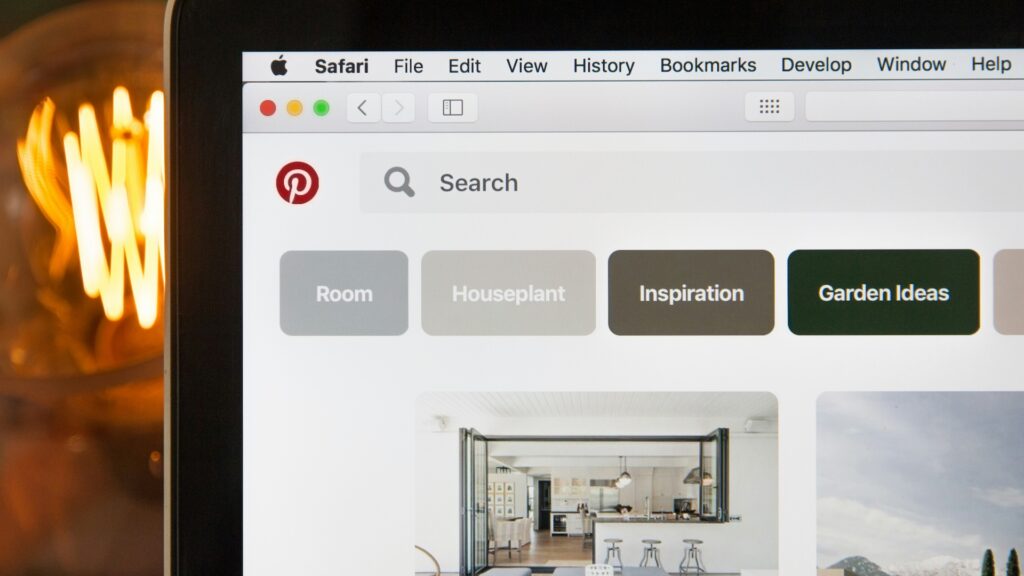
Don’t overlook Pinterest. With 640 million monthly active users (June 2026) and 80% of weekly Pinners saying they feel inspired by the shopping experience there, it’s not an app to forget about.
Pinterest runs on beautiful pictures, so pin your best shots and let them do the selling. You can also add links to pins, so you can drive traffic directly back to your website. More on that in Pinterest for tourism: the silent giant.
Pinterest’s audience is younger than its reputation: Gen Z makes up 50% of its global users, and in Australia it reaches 41% of people aged 14 to 24, 37% of people aged 25 to 39 and 35% of people aged 40 to 54.
What about X (fka Twitter?)
While we’ve previously praised Twitter for community engagement, customer service, and overall tourism marketing opportunities, the same can’t be said for Elon Musk’s X.
As a marketing tool for your tourism brand, Twitter was just about as good as it got. However, as bots have increased, advertisers have left in droves, and X moves further and further to the right by the day, you should consider whether advertising on the platform is a responsible choice for your business.
Word of mouth is a powerful marketing tool. However, is the word of mouth you may get from X worth the risk?
We recommend giving X a miss, for now!
Which platform is right for you?
Audiences differ from platform to platform. Like most things in social media, you need to plan, execute, analyse and adjust until you find a strategy that works for you.
If you operate a B&B or budget accommodation, TikTok will be useful for you due to its younger audience. If you run a luxury lodge in the Kimberley, your guests are more likely on Facebook.
You do not need every platform. Pick the two your visitors actually use, and do them well.
Not sure which two deserve your time? Tell us about your visitors and we will pick where to show up.
From our work · Cocos Keeling Islands16xgrowth in the social audience, 5,000 to 80,000