

Sustainable tourism used to be a nice-to-have in your marketing. In 2026, it is part of what people are buying.
Sustainable tourism is tourism that protects the destination it depends on. Environmentally, culturally, economically. It means managed visitor numbers, respect for Country, local spending that stays local, and experiences that can run in twenty years without degrading what makes them worth having. It is not a vibe. It is an operating model. Which is why you cannot do it via social media. You do it on the ground, and social shows the proof.
WA’s Visitor Economy Strategy 2033 names sustainability as one of four guiding principles for the entire industry. The National Sustainability Framework for the Visitor Economy, endorsed by the Australian Government and the state and territory governments, gives operators a structured way to act on it across four pillars: a managed approach to sustainability, environmental and climate action, respecting culture, and creating positive social impact.
Translation: travellers, regulators, partners and the funding pipeline are all pulling in the same direction. Operators who can prove they’re part of that direction win bookings. Operators who can’t are about to start losing them.
Social media is the cheapest, fastest, most visible place to do that proving.
Here’s how to do it properly 👇
tldr; everything you need to know
Stop selling the destination. Start selling the decision.
Travellers don’t book a region. They book a feeling about themselves while they’re in that region.
Choosing to travel well is part of that feeling. Educated travellers behave better, leave better reviews, post better content, and come back. Your social channels are the first place they form that decision, often before they’ve priced flights.
The job of your social isn’t to look green. It’s to give travellers the information that makes the sustainable choice the easy choice.
What works:
- Pre-arrival FAQs as Instagram Stories saved to permanent Highlights. Rubbish disposal, water use, wildlife rules, cultural protocols. Cuts your team’s inbox, lifts the visitor experience, signals competence to first-time visitors.
- Short reels showing what a sustainable tourism visit actually looks like. Not platitudes. The boardwalk you stay on. The reef-safe sunscreen you stock. The local guide whose family has worked the land for four generations.
- Plain captions explaining your why. One sentence on why you do something matters more than ten on what you do.
Cross-promote the local economy. It’s the cheapest content you’ll ever make.
When you spotlight a local cafe, distillery, tour operator or producer, two things happen. You drop a piece of marketing cost out of your week because they post it back. And you signal to the visitor that your region is networked, alive, and worth more than a single overnight stay.
Visitors find more reasons to stay and spend. The whole region gets stronger.
This isn’t generosity. It’s commercial.
Tactical:
- A monthly “five spots within 10 minutes” post or reel
- Cross-account takeovers with one operator a quarter
- Geo-tagging local businesses in every relevant Story
- A shared regional hashtag that other operators can hook into
Sell the backyard, not just the postcard
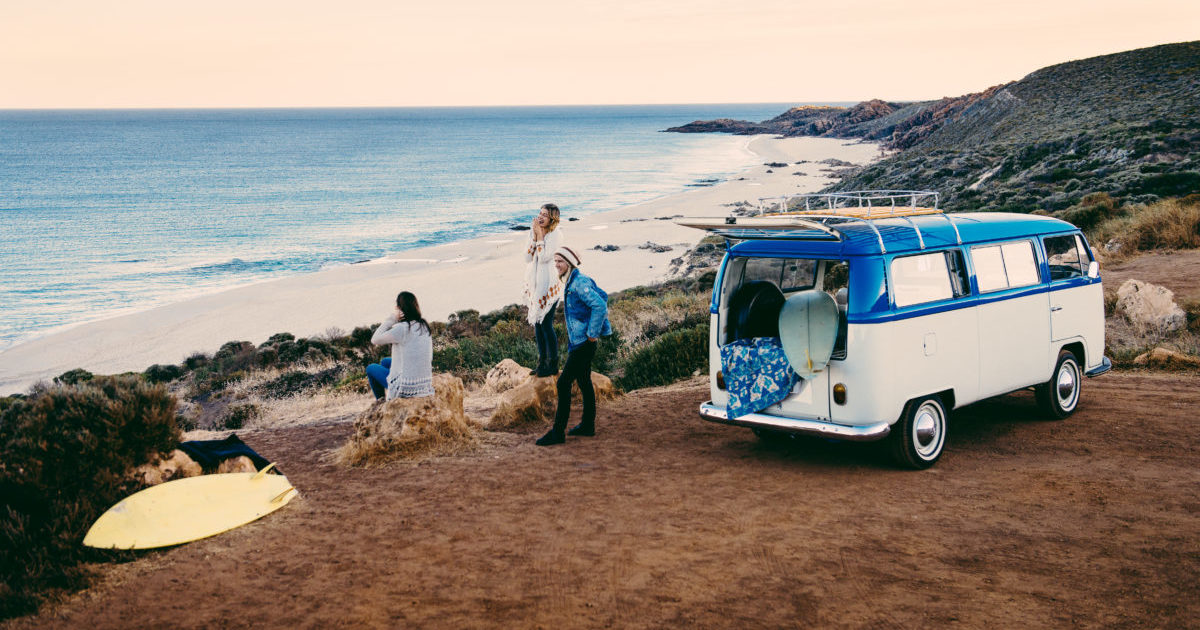
Plenty of tourism marketing chases flights from the eastern states or overseas. Meanwhile, the locals who could be through the door this weekend don’t know what’s on offer.
For most WA operators, locals are the most reliable revenue line. Intrastate overnight visitors and daytrippers spent $12.5 billion of the $19.2 billion visitors spent in the state in 2025 (Government of Western Australia, March 2026). They book shoulder seasons, fill weeknights, bring friends, and don’t need to be flown anywhere.
Use Meta’s location targeting to deliver content to people within a two-hour drive of your business. Speak to them differently. They don’t need wide shots of WA. They need a reason to leave home this Friday.
Show the working, not the promise
Anyone can claim to be sustainable. The brands that build trust show what they’ve actually changed.
Document the things most operators don’t think to share:
- The supplier you switched
- The tour you redesigned to reduce footprint
- The Acknowledgement of Country at the start of every guided experience
- The accreditation you’re working toward (Tourism Council WA’s Sustainable Tourism Accreditation, Ecotourism Australia, EarthCheck) and where you’re up to
Progress posts beat polish posts. Audiences can smell a press release at fifty paces.
Pick a cause and commit
Standing for something is a positioning decision, not a content decision. If your business has a cause it cares about, social is where it earns credibility.
What this looks like:
- Recurring content tied to one organisation, not a different charity every month
- Fundraiser tools on Instagram and Facebook, where they are available for your cause
- Sponsorship that gets shown, not hidden in a footer
A scattered approach reads as box-ticking. A consistent one reads as character.
How you’ll know it’s actually working
This is the part most operators skip.
Sustainable content earns its place when it shifts these:
- Saves and shares (people are flagging it for the real trip)
- Click-throughs to your sustainability or operator partner pages
- Bookings from the local catchment audience
- Time on page for blog and landing content
- Repeat visit data and average spend per stay
If those numbers don’t move over a quarter, the content isn’t working. Change it. Sustainable doesn’t mean unmeasurable.
Final thoughts
Social media can’t make you sustainable. It can make sure people see the work you are already doing, and that is what sells. Educate before arrival. Promote the network around you. Sell to the locals nobody else is selling to. Show the working. Pick a cause. Measure it.
Get those right, and you’re not just contributing to a more sustainable WA tourism industry. You’re building a more durable business inside it.
Sustainability only sells when the proof is visible. Send us what you are already doing and we will show you how to turn it into content people book from.
Doing the sustainable work but getting no credit for it?Coffey & Tea is a Perth social media agency for tourism, hospitality, lifestyle and government clients. WA’s Visitor Economy Strategy 2033 names sustainability as one of four guiding principles for the industry, and we turn the work you already do on the ground into proof travellers see before they book.
Send us what you have already changed, from suppliers to accreditation, and we will show you how to turn it into content people book from. Meg reads every enquiry herself. Start your enquiry
Not ready yet?
Get our news
Coffey Talk is our monthly email: the tourism and social media news worth your time, and why it matters.